 Contáctenos: +57 323 434 2569
Stoic Philosophy Applied to Lucky Jet Game by UK

Online gaming moves quickly, and its outcomes are always uncertain. Users often search for more substance than just data analysis or chasing betting patterns. They can discover a robust, ancient structure in Stoic philosophy, which teaches emotional regulation, focus, and resilience. This article looks at how the central ideas of Stoicism apply directly to playing Lucky Jet Game Withdrawal Times. Adopting a Stoic attitude lets a player change their entire approach. They learn to confront the game’s inherent fluctuations with a steady composure and a structured approach. The aim does not ensure a win each time. The aim is to cultivate an inner strength that renders gameplay more reflective, more rewarding, and a sustainable activity, no matter what occurs in any particular session.
Stoikova Pevnost Proti Gaming Fallacies
Značným challenge u her například Lucky Jet představuje lidská habit důvěřovat cognitive klamům, jako hráčský omyl or pocit kontroly. Stoikova filozofie, with its focus on logic and seeing reality accurately, dává silnou obranu against these chybami. The gambler’s fallacy představuje mylné domněnku, že minulé independent events change future výsledky, like čekat zřícení because došlo k více vydařených letů in a row. Stoicism fights this posilováním vědomí, že každé kolo je samostatná nahodilá event. Její výsledek je zcela nesouvisející to what happened předtím. Pocit kontroly je víra, that your actions či rituály can affect generátor náhodných čísel. Stoicismus to vyvrací by constantly pulling focus back to the true place of control: naše úsudky and choices, not the game’s algorithm.
Přijetím the Stoic commitment nahlížet svět as it is, ne jaký ho chceme mít, chráníme se před těmito klamnými myšlenkovými vzorci. Když pociťujeme nutkání z pověry upravit okamžik výplaty kvůli “vzorci” který jsme údajně zaznamenali, we can recognize it jen jako dojem to look at, nikoli pravdu k akci. This clear-eyed realism chrání jak náš bankroll a náš duševní klid. Umožňuje nám užívat si opravdovou hodnotu zábavy hry—napětí, proces rozhodování, the visual show—without becoming a ibisworld.com slave falešných příběhů o náhodě či schopnostech kde neexistují. Tato odolnost nás proměňuje ze zranitelných účastníků v ukotvené pozorovatele. Hrajeme hru aniž bychom byli ovládáni svými vlastními zkresleními.
Použití stoické filozofie ve hře Lucky Jet poskytuje transformační rámec. Klade sebekázeň above temporary luck. Soustředěním se na to, co můžeme ovlivnit—our decisions, our reactions, our preparation—zbavujeme se obav z náhodnosti. Myšlenky jako Amor Fati a Disciplína souhlasu dávají praktické nástroje pro pohyb skrze proměnlivostí hry s vyrovnaností. Exercises like Premeditatio Malorum and the View from Above zajišťují, že naše účast je udržitelné and balanced. V konečném důsledku, this approach redefines what success means. Měří ho nikoli množstvím peněz, ale podle vybudované odolnosti, projevenou disciplínou a zachovaným klidem. Tímto mění každé sezení ve šanci k osobnímu rozvoji. It makes herní zážitek z Lucky Jet zábavnějším and, in a deeper way smysluplnějším.
The Stoic Foundation: Recognizing What We Can Control
The heart of Stoicism is the dichotomy of control, a principle the philosopher Epictetus popularized. It creates a distinction between what we control and what is not. This line is crucial in Lucky Jet. We hold total authority over our own actions, choices, and reactions. We choose our bet size. We choose when to cash out. We set our session limits and our overall budget. We control how much we prepare, how well we study the game’s rules, and how faithfully we stick to a strategy we chose beforehand. The rest exists outside that circle. The exact multiplier where the jet disappears, the result of any given round, the random order of wins and losses—these things are not up to us. A Stoic player pours their energy exclusively toward the first category, approaching the second with calm acceptance.
This acceptance is not resignation. It’s an dynamic, sensible recognition of the way things actually work. Once we truly understand that the jet’s flight path is entirely random, we cease spending emotional energy on results we can’t change. Becoming frustrated about a “near miss” or elated by a “lucky win” are just reactions to outside events. They don’t say anything about our worth or our skill. The spotlight moves to the quality of our decisions. Did we follow our cash-out plan? Did we oversee our bankroll smartly? If we assess ourselves solely by these controllable factors, we establish a base of discipline and self-respect that the game’s randomness cannot disturb. This shift in thinking is the first and most important step in applying Stoicism to Lucky Jet.
Looking Down from Above: Keeping Viewpoint on the Round
Stoics practiced an practice named the “View from Above.” It was intended to provide clarity by zooming out from your current state. You might picture looking down on your community, then your country, and eventually the whole earth, observing how small your own troubles are in the grand scheme. Using this with Lucky Jet is a strong remedy for the narrow focus gaming can produce. In the heat of a session, one stake can appear like the most important event in the entirety. The View from Above reminds us that this cycle, this playthrough, and even this activity, is a tiny, temporary activity in the huge framework of our complete existence.
This outlook helps maintain a sound link with the pastime. It prevents us from losing ourselves, where our self-worth gets linked to how we fare in a activity of chance. It prompts us that Lucky Jet is merely one form of recreation out of numerous, a quick respite rather than a primary life objective. When we step back, we observe our playing next to our career, our bonds, our further hobbies, and our duties. This expansive perspective organically guides us toward restraint, improved time control, and a awareness of measure. A setback gets put in perspective as a small event in a seven-day period filled with other things. This exercise is essential for keeping harmony and ensuring seeking pleasure doesn’t unintentionally harm alternative, more significant areas of existence.
Loving the Fate of Each Flight
One core Stoic concept is “Amor Fati,” which means loving your fate. This extends beyond just tolerating what happens. It involves accepting every event, good or bad, as a needed part of the bigger picture. For someone engaging with Lucky Jet, this involves developing an attitude that accepts every outcome of the jet’s flight. Cashing out early for a profit and watching the jet crash before it hits your target multiplier should both be greeted with the same constructive look. Each result is a piece of information, a lesson, and a necessary part of the gaming session. This philosophy breaks down the harmful mindset that considers losses as purely bad and wins as the only good outcome. Instead, every round becomes a valuable experience that instructs us something and makes our approach stronger.
Using Amor Fati alters the emotional tone of the game. The nervous tension that often grows as the multiplier goes up gets substituted by calm watching. When we learn to love the fate of each flight, we strip the pain out of losses and the addictive high out of wins. A loss transforms into a chance to work on bouncing back and to check how solid our money rules are. A win becomes a validation that our disciplined process works, not a reason for overreacting. This mindset promotes a long view, where the value derives from steadily following your principles, not from the temporary result of one bet. It enables us treat Lucky Jet as an exercise in character, not just a search for money.
The Architecture of a Stoical Gaming Session
The end objective of Stoic practice is to build an “Inner Citadel,” a mental fortress that keeps serene and virtuous even when outside things are disorderly. A Lucky Jet session, with its quick rounds and varying fortunes, acts as a perfect modern training ground for building this. Each round is a drill. A climbing multiplier tests our discipline against greed. An early crash probes our resilience against frustration. A successful cash-out probes our humility against pride. The whole session is a constant drill in applying the principles of control, assent, and perspective in real time. We do this training by remaining consciously attentive of our internal state the whole time. We watch our thoughts and feelings from a small distance, identifying them without letting them control us. We take tiny breaks between rounds to recalibrate, consciously releasing of the last flight’s result before commencing the next one.
This practice converts gaming from a passive, reactive activity into an active, purposeful exercise in self-control. The actual win isn’t recorded on your balance sheet any longer. It’s registered in the standard of your awareness, the stability of your press, and the stillness in your thoughts as you move through the uncertain flight paths. The game becomes a medium for philosophical practice. A Stoic method organizes the whole gaming experience into clear phases, each with its own purpose. The pre-session is for planning and rule-setting. Here we perform Premeditatio Malorum and establish firm economic and strategic boundaries. The live session is the arena for the practice of acceptance, where we execute our approach with focused objectivity, noticing our drives without following them. The post-session is set aside for reflection, a peaceful time to examine what we achieved against our principles, clear from the pressure of the occasion.
The Real-World Use of After-Session Review
This three-stage system organizes the disorder. It presents Lucky Jet not as a vague activity but as a deliberate discipline with a commencement, a midpoint, and an conclusion. The most underappreciated yet essential part is the reflective pause after participating. Here we use the View from Above on our own actions. We ask unbiased inquiries. Did I follow my rules? Where did my desires feel strongest? Did I maintain my psychological equilibrium? This isn’t a fault exercise. It’s a clinical review, like an competitor reviewing game footage. This assimilation phase is where real growth and personal development occur. It finishes the cycle, ensuring every game, victory or defeat, helps fortify our Inner Citadel. It turns us more composed and disciplined gamblers, and individuals, going forward.
The deliberate pause is more than an abstract concept. It needs a tangible technique to work. We suggest an organized five-minute analysis done away from the game screen. First, recall the limits and core strategy you set before the session. Second, review in your mind the key decision points, especially those where you felt a powerful emotional urge, and note what you actually did. Third, measure those actions to your pre-set rules without applauding or criticizing yourself. Fourth, identify one specific observation for next time, like noticing that greed feels strongest after two wins in a row. Finally, consciously end the session, metaphorically shutting the chapter to stop yourself from overthinking. This disciplined reflection converts experience into wisdom. It assures you keep moving forward in your Stoic practice.
The Stoic Bankroll: Fortune and the Principle of Control
For a Stoic, material items like money were “preferred indifferents.” They possess no moral value in themselves—they do not make us good or bad—but it’s normal to want them rather than not, as long as we acquire and handle them wisely. A Lucky Jet bankroll suits this description exactly. The money is indifferent. The virtue manifests in how we manage it. Stoic gameplay, therefore, sets the highest importance on the ethical and sensible management of funds. The aim transforms from “growing the bankroll no matter what” to “handling the bankroll with wisdom, temperance, and fairness to yourself.”
This thinking demands a strictly principled approach for financial stakes. We establish a separate entertainment budget, money apart from what we must have for essentials. We treat it like the price of the experience itself. Inside that budget, we set firm session limits and bet sizes that are a very small part of the total. This lets us weather the volatility. The virtue is demonstrated by following these self-made laws, not by the final number. A session where we lose our pre-set limit but stay precisely to our rules is, from a Stoic view, more successful than a session where we gain a lot but through reckless, uncontrolled betting. The bankroll becomes a practice field for the key virtue of temperance.
The discipline of Assent: Handling Impulses in Real-Time
Stoic philosophy discusses a significant mental step called the practice of agreement. It explains the brief interval between something taking place and our evaluation of it. In Lucky Jet, this occurs in the key seconds as the multiplier rises. The first emotion might be greed (“I should let it go higher”) or fear (“I need to cash out now”). An uncontrolled mind says yes to these impulses right away, resulting in actions that go against a plan made earlier. The Stoic gamer, though, introduces a pause. They observe the drive as it emerges, recognize it—a proposal from their sentiments—and then consciously select whether to accept it, according to rationality and their established strategy.
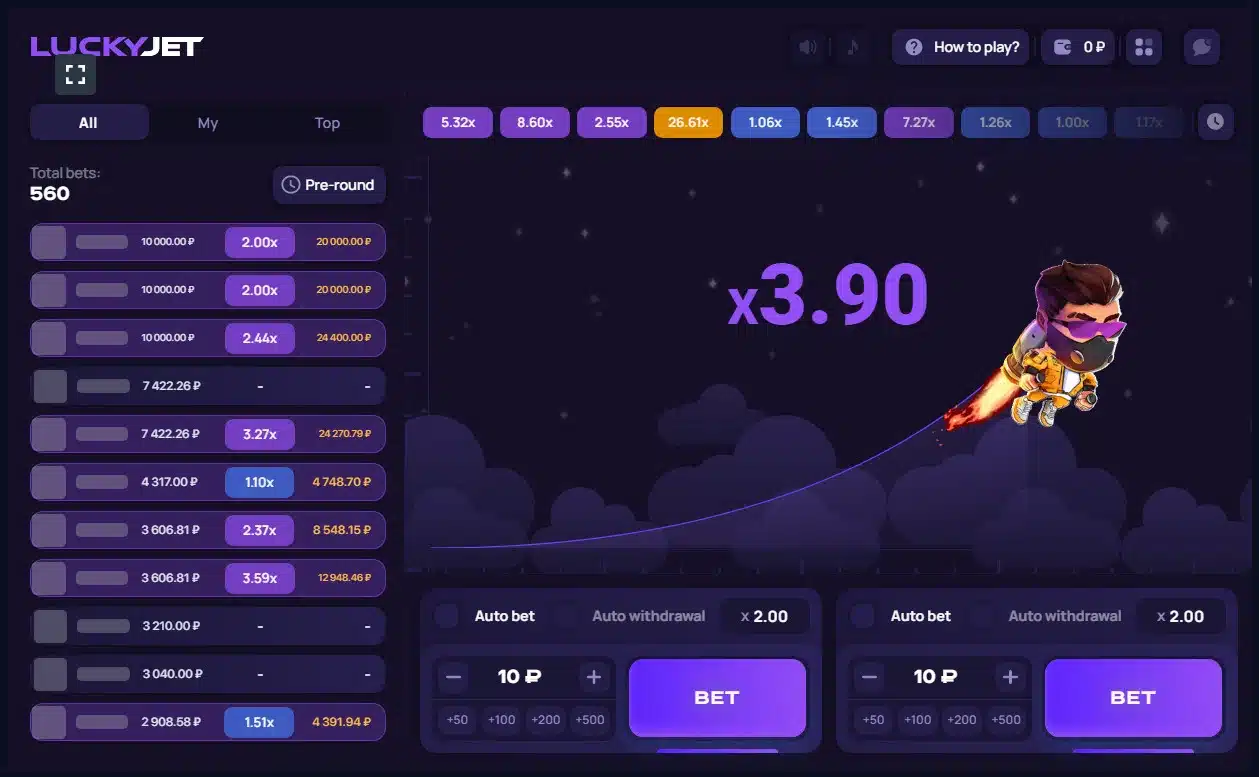
This live mental control is the operating essence of Stoic gameplay. It keeps you from pursuing losses after a sudden crash or raising your bets during a hot streak. By exercising this pause, we establish separation between ourselves and the unfiltered flow of our perceptions and emotions. We make room for our reasoned, pre-decided rules to take control. For instance, if your plan is to cash out at 2x, observing the multiplier reach 1.9x might trigger a intense impulse to hold on. The discipline of approval lets you detect that desire, label it as covetousness, and then deliberately select the step that aligns with your approach: cashing out. This constant, minor application of self-discipline is where philosophy transforms into execution on the gaming screen.
Předvídání problémů: Getting Ready for Volatility
Stoický postup of “Premeditatio Malorum,” or the předvídání of troubles, means živě si představovat possible problems to lessen their emotional náraz and to připravit your response. For Lucky Jet, this is a key taktická pomůcka. Before začátkem a sezení, a Stoic player will consciously think about nepříznivé situace. They will mentálně trénovat a sérii proher in a sledu, picture the jet crashing at very low multipliers again and again, or představit si the sensation of zmeškání a cash-out point by a tiny množství. This není pesimistické. It’s a kind of emotional and taktické vaccine.
By konfrontovat these scénáře ahead of doby, we take away their schopnost to surprise or throw us off later. When a šňůra neúspěchů přijde, it nebývá a devastating otřes. It’s něco we’ve already promysleli klidně, and we have a plánem for it. This preparation directly shapes bankroll management, the most concrete využití of this myšlenky. Vědomí that nepříznivé úseky are nevyhnutelné, we logically určíme in předem what podíl of our funds to riskovat per session and per vsazení. This zajistí no realistic losing streak can smazat our zdroje. This praktika strengthens the mind against strach. It udržuje our actions vedené by what we rozhodli, not by the chaos of a okamžité bad luck.